

Gas vs. Hybrid vs. EV vs. Diesel: A Lehigh Valley Driver’s Guide
Choosing the right vehicle starts with choosing the right powertrain for the way you actually drive. Gas, hybrid, plug-in hybrid, electric, and diesel vehicles each solve a different problem, whether your week includes I-78 commuting, school drop-offs in the Parkland area, jobsite travel near Fogelsville, or weekend trips across Pennsylvania.
At Nucar, we help drivers compare more than body style, brand, and monthly payment. The right vehicle should fit your fuel budget, charging access, passenger needs, cargo space, driving distance, and long-term ownership plans. This guide breaks down the strengths and tradeoffs of each powertrain so you can shop with more confidence.
Quick Answer: Which Powertrain Fits Your Driving?
The best powertrain for Lehigh Valley drivers depends on charging access, weekly mileage, towing needs, passenger space, and total ownership cost. Gas is the most familiar choice, hybrids improve efficiency without plugging in, plug-in hybrids can cover short trips on electricity with gas backup, EVs work best when charging fits your routine, and diesel is most useful for regular towing, hauling, or work use.
Here is the simple way to think about it:
| Powertrain | Best For | What to Consider |
| Gas | Broad selection, easy fueling, familiar ownership | Fuel costs can add up if you drive often |
| Hybrid | Better efficiency without plugging in | Availability varies by model and trim |
| Plug-in Hybrid | Short electric trips plus gas backup | Works best when you plug in regularly |
| EV | Home charging, predictable mileage, fewer gas-station stops | Charging access matters as much as range |
| Diesel | Frequent towing, hauling, and work use | Cost, maintenance, and configuration matter |
There is no single best answer for every Pennsylvania driver. The smarter approach is to match the vehicle to your daily routine, then compare payment, fuel or charging costs, trade value, and long-term practicality together.
Gas Vehicles: Familiar, Flexible, and Easy to Shop
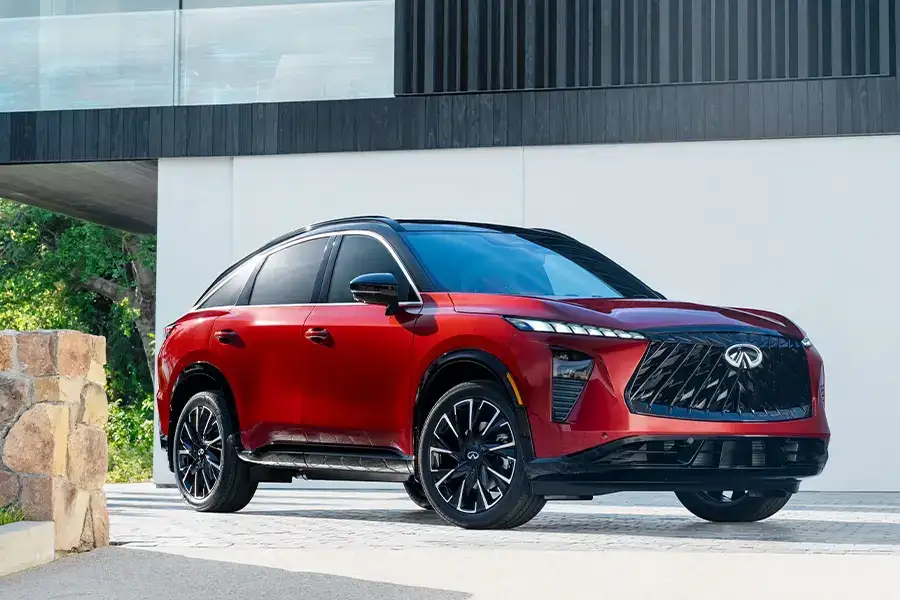
A gas-powered vehicle is still the most familiar choice for many Lehigh Valley drivers. Gas models are easy to refuel, available across a wide range of new and used vehicles, and simple to compare if you are shopping sedans, SUVs, minivans, or trucks.
Gas may be the right fit if you want the broadest selection, do not have access to home charging, drive a mix of local roads and highways, or prefer a straightforward ownership experience. For many shoppers, gas power still makes sense because it does not require a major change in routine.
Gas vehicles can also be a practical fit for families comparing three-row SUVs, commuters traveling Route 309 or MacArthur Road, and truck shoppers who want everyday capability without moving into a specialized diesel setup. The key is to compare more than MPG. Look at passenger space, drivetrain, cargo room, safety technology, service history if buying used, and how the vehicle feels during a test drive.
Hybrid Vehicles: Better Efficiency Without Plugging In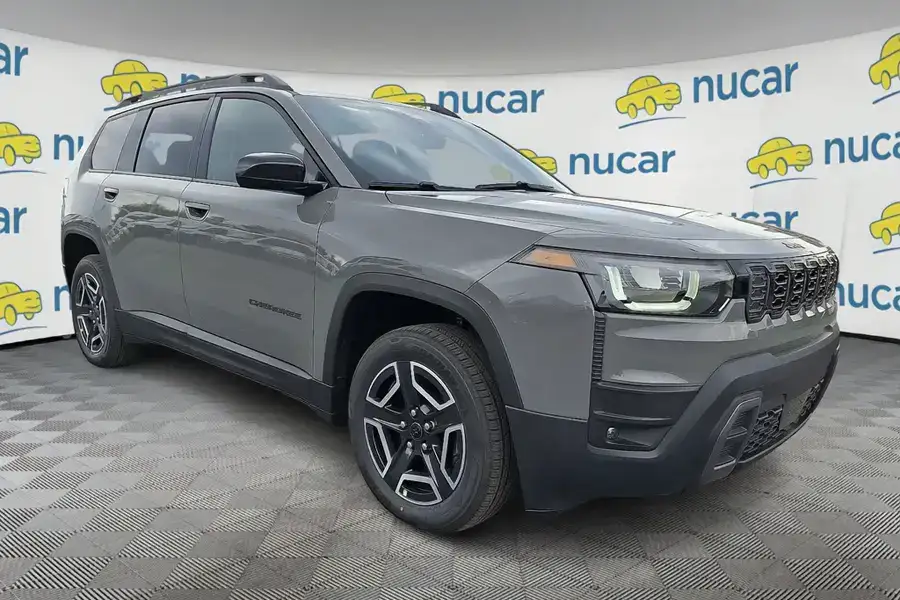
A traditional hybrid combines a gasoline engine with one or more electric motors, and it does not need to be plugged in. The vehicle captures energy while driving and braking, then uses that stored energy to help improve efficiency.¹
Hybrid shopping often makes sense if you spend a lot of time in stop-and-go traffic, want fewer fuel stops, do not have home charging, or need an efficient SUV, sedan, or family vehicle that still feels familiar to own. For drivers running errands around Trexlertown, Bethlehem Township, or Saucon Valley, a hybrid can be a smart way to reduce fuel use without changing where or how you refuel.
A hybrid is not automatically the right answer for every shopper, though. Before choosing one, compare the actual EPA fuel economy estimates, passenger and cargo space, warranty coverage, and how the hybrid system affects the model you are considering. Efficiency is valuable, but the vehicle still needs to handle groceries, sports gear, work bags, child seats, pets, or weekend luggage.
Plug-In Hybrids: A Bridge Between Gas and Electric
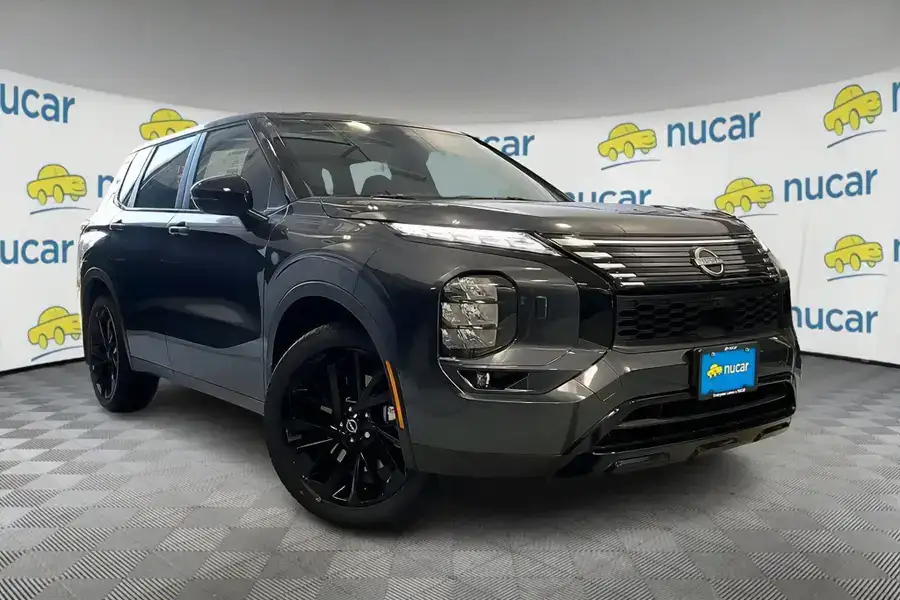
A plug-in hybrid, often called a PHEV, uses both gasoline and electricity. It can be charged from an external power source and may drive on electric power for shorter trips before relying on gasoline for longer travel.²
This type of powertrain can be appealing if most of your driving is local but you still want gas-engine flexibility for longer trips. For example, a driver who can charge at home and mostly travels between Nazareth, Easton, and Allentown during the week may be able to handle many routine drives with less gasoline use while still having gas backup for longer Pennsylvania trips.
The important detail is charging discipline. A plug-in hybrid delivers the most value when you actually plug it in. If you rarely charge it, a traditional hybrid or gas vehicle may be the better match.
Shop New Plug-In Hybrid Vehicles
EVs: A Smart Fit When Charging Matches Your Routine
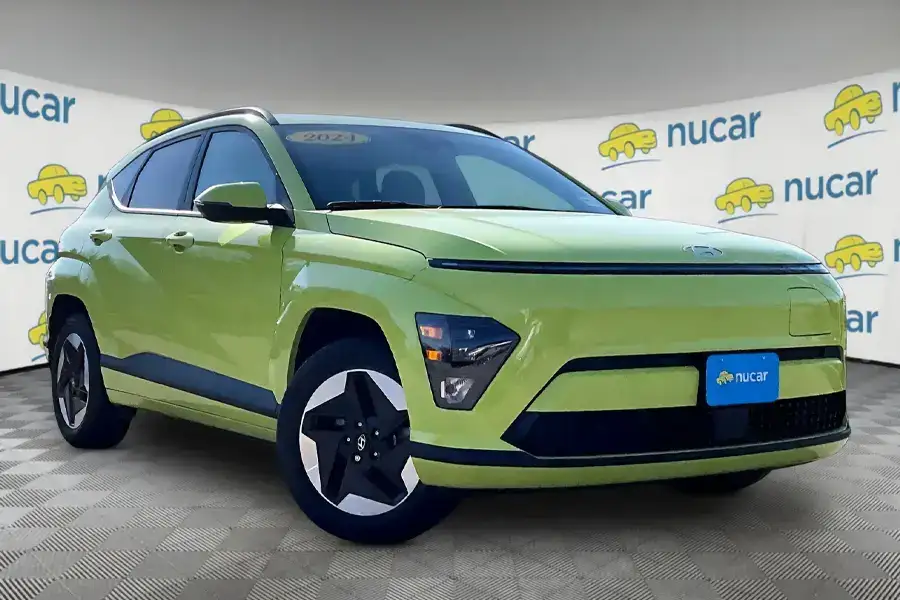
An electric vehicle can make a lot of sense when your daily driving is predictable and charging is convenient. For many EV shoppers, charging access matters just as much as range.
Home charging is often the easiest EV ownership setup because the vehicle can recharge while parked overnight. The EPA notes that home charging is typically the most time- and cost-effective method for EV owners, and it can help drivers start the day with a charged vehicle.³
An EV may be a good fit if you can charge at home, at work, or near a reliable public charger; have a predictable commute; mostly drive local or regional routes; and want to reduce gas-station stops. For Lehigh Valley shoppers, that could mean regular driving around Quakertown, Whitehall, Coopersburg, Phillipsburg-area crossings, or the Route 33 corridor.
Public charging is expanding across Pennsylvania, too. PennDOT has announced a Community Charging phase through the National Electric Vehicle Infrastructure program, with $100 million in federal funding planned for public EV chargers in communities and regional funding rounds continuing through 2026.⁴ That is encouraging, but shoppers should still check the charging options around their own home, workplace, errands, and common travel routes before buying.
Diesel Vehicles: Built for Certain Truck Jobs
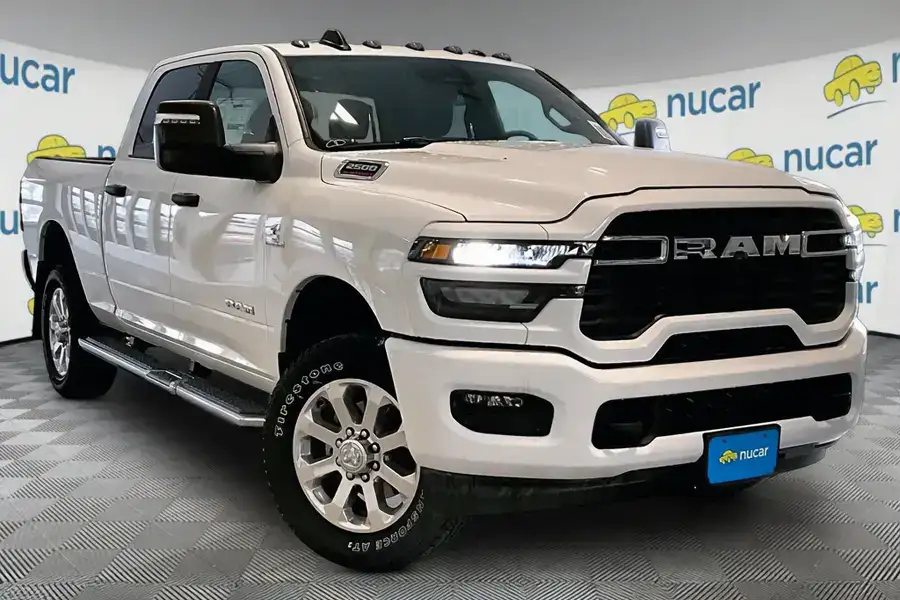
Diesel is not the default choice for every driver, but it can be the right choice for truck shoppers with serious work or towing needs. Diesel engines are often valued for strong torque, which can be useful when hauling trailers, equipment, materials, or commercial loads.
Diesel may be worth considering if you tow frequently, haul heavy payloads, use your truck for business, drive longer highway routes, or need a heavy-duty truck configuration. A contractor traveling between job sites in Emmaus, Hellertown, and the Slate Belt may have very different needs than a driver who only tows a small trailer a few weekends a year.
For many personal-use truck shoppers, a gas engine may still be the better value. Diesel ownership can involve different maintenance needs, higher fuel costs in some markets, and a higher purchase price depending on the truck. The right choice comes down to how often you use the extra capability.
Gas vs. Diesel for PA Truck Shoppers
Gas trucks are often a smart fit for everyday driving, weekend projects, winter traction needs, and occasional towing. Diesel trucks become more compelling when towing, hauling, or business use is part of your regular routine.
A good rule of thumb is to start with the job, not the engine. Ask what you tow, how often you tow it, how much payload you need, where you drive, and whether the truck also has to serve as your daily vehicle. Then compare the actual configuration, tow rating, payload rating, axle ratio, cab style, bed length, and equipment package. Capability is not just about the badge on the side of the truck.
For shoppers comparing Ram, Jeep, Nissan, or pre-owned truck options, the right powertrain should support the work without creating more cost or complexity than you need.
Match the Powertrain to Your Lehigh Valley Routine
The easiest way to choose is to start with your normal week, not the most extreme trip you might take once a year.
If You Commute Daily
Gas, hybrid, and EV models can all work well for commuters. A hybrid may help if you deal with frequent traffic. An EV may be appealing if you can charge at home and your commute is predictable. Gas remains a strong option if you want broad selection and quick refueling.
If You Drive a Family Vehicle
Families should compare fuel type alongside space, comfort, safety technology, and cargo flexibility. A fuel-efficient SUV, minivan, or crossover only works if it also handles car seats, school bags, sports equipment, groceries, and family trips.
If You Own a Truck
Gas trucks are often a strong fit for daily driving and light-to-moderate towing. Diesel trucks are more specialized and make the most sense when regular towing, hauling, or commercial use is part of the job.
If You Are EV-Curious
Start with charging, then range. If you can charge at home and most of your driving is local, an EV may be easier to live with than expected. If you park on the street, drive long distances often, or rarely pass reliable chargers, a hybrid, plug-in hybrid, or gas model may be more practical for now.
If You Are Shopping Used
Used inventory gives shoppers more powertrain variety. You may be able to compare gas, hybrid, diesel, plug-in hybrid, and electric options across different model years and price points. Review mileage, vehicle history, service records, battery warranty information when applicable, and total ownership costs before choosing.
Powertrain Myths Worth Clearing Up
A lot of shoppers hear strong opinions about powertrains before they ever visit a dealership. Some are helpful. Some need context.
“A hybrid has to be plugged in.”
A traditional hybrid does not plug in. It uses a gas engine and electric motor system to improve efficiency while keeping the refueling routine familiar.¹ A plug-in hybrid is different because it can be charged from an external power source.²
“An EV only works if you never take road trips.”
An EV can work for many drivers who take occasional road trips, but planning matters. Charging access, route, weather, speed, passenger load, and charging time all affect the experience. EV shoppers should check their real routes before deciding.
“Diesel is always better for trucks.”
Diesel can be excellent for the right truck job, but it is not automatically better for every driver. A gas truck may be more practical for daily driving, lighter towing, and lower-complexity ownership.
“A plug-in hybrid saves money even if you never charge it.”
A plug-in hybrid works best when it is charged regularly. If you almost never plug it in, you may not get the benefit that made the powertrain appealing in the first place.
“Gas vehicles are outdated.”
Gas vehicles remain a practical choice for many drivers because they offer broad selection, familiar fueling, and strong flexibility across new and used inventory. The better question is not whether gas is outdated. It is whether gas fits your budget, driving pattern, and ownership plans better than the alternatives.
What to Check Before You Choose
Before deciding between gas, hybrid, plug-in hybrid, EV, or diesel, compare the details that affect real ownership.
For a gas vehicle, review fuel economy, drivetrain, tank size, service history if used, and whether the model fits your passenger and cargo needs.
For a hybrid, check EPA fuel economy estimates, cargo space, warranty coverage, and whether your driving mix includes enough local or stop-and-go driving to make the efficiency advantage meaningful.
For a plug-in hybrid, check electric driving range, charging access, charging time, gas-engine efficiency, and whether you will plug in often enough to benefit from the system.
For an EV, check home charging options, public charging near your regular routes, estimated range, charging connector compatibility, winter-driving expectations, and how often you take longer trips.
For diesel, check towing frequency, payload needs, fuel cost, maintenance needs, truck configuration, and whether the extra capability fits your real use.
Pennsylvania drivers should also think beyond annual inspection. PennDOT notes that annual safety inspections help keep vehicles safer, but routine maintenance between inspections is still important.⁵ That makes service history, tire condition, brakes, fluids, battery health, and maintenance planning worth considering no matter which powertrain you choose. You can also use Nucar’s schedule service page when it is time to keep your current vehicle road-ready.
Compare Payment, Fuel Cost, and Trade Value Together
A lower fuel bill is helpful, but it should not be the only number in the decision. Monthly payment, insurance, maintenance, trade-in value, charging setup, fuel access, and how long you plan to keep the vehicle all matter.
That is why it can help to look at three things together:
- What vehicles fit your routine?
- What is your current vehicle worth?
- What monthly payment range makes sense?
You can start by exploring financing through our finance center, estimating your vehicle’s value with our sell or trade tool, and comparing available options through Nucar’s Pennsylvania locations. A vehicle that saves fuel but does not fit your household, work needs, or budget is not the right long-term match.
Shop Gas, Hybrid, EV, and Diesel Vehicles at Nucar
The right powertrain should make your daily driving easier, not more complicated. Gas, hybrid, plug-in hybrid, EV, and diesel options each have a place for Pennsylvania shoppers, and the best choice depends on how you commute, where you park, what you carry, and how you use your vehicle.
Nucar makes it easier to compare your options through the Nucar Network, with access to a wide range of new and pre-owned vehicles across 25+ locations while still giving you a local place to start. Browse available vehicles, value your trade, explore financing, or visit our locations page to connect with a Nucar dealership near you. When you are ready to find the powertrain that fits your life in the Lehigh Valley, everyone loves a Nucar!
Sources
¹ https://afdc.energy.gov/vehicles/electric-basics-hev
² https://www.epa.gov/greenvehicles/electric-plug-hybrid-electric-vehicles
³ https://www.epa.gov/greenvehicles/getting-started-home-ev-charging
⁴ https://www.pa.gov/agencies/penndot/news-and-media/newsroom/statewide/2026/shapiro-admin-announces–100-million-for-public-ev-chargers-in-c
⁵ https://www.pa.gov/agencies/dmv/resources/driver-safety-and-vehicle-maintenance/maintaining-your-vehicle
0 comment(s) so far on Gas vs. Hybrid vs. EV vs. Diesel: A Lehigh Valley Driver’s Guide